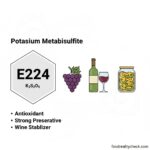
Beyond basic meat, processed products contain various additives serving specific functions. Understanding what these ingredients do, why they’re included, and whether they’re actually concerning helps you make informed choices about processed meat products.
Why Additives Are Used in Processed Meats
Processed meats require additives for several essential functions: preservation (extending shelf life and preventing spoilage), texture modification (creating desired firmness and consistency), moisture retention (keeping products juicy), color development and maintenance (creating appealing appearance), and flavor enhancement. Each additive serves a specific purpose, and removing any of them would change product characteristics that consumers expect. Understanding these functions helps explain why “clean label” alternatives often struggle—removing additives creates products that look, taste, or perform differently than consumers expect.
Producers face genuine technical challenges in processed meat manufacturing. They must balance safety (preventing pathogenic growth), shelf stability (allowing products to be transported and stored), sensory qualities (appealing flavor, texture, appearance), and consumer expectations. Additives help meet these simultaneous demands. The alternative to many additives is either extreme processing (high heat, pressure), aggressive salt levels that many consumers find unpalatable, or shorter shelf life requiring faster turnover.
Common Additives Breakdown
Phosphates (sodium phosphate, potassium phosphate, and others) are perhaps the most common additive in processed meats. They improve water-holding capacity, allowing meat to retain moisture and remain juicy, and improve texture and binding. Phosphates have been used in meat processing for decades and are recognized as Generally Recognized as Safe (GRAS) by the FDA. Concerns about excess phosphate intake relate to overall dietary phosphate consumption rather than specifically meat products. For individuals concerned about phosphate intake (particularly those with kidney disease), reducing processed meat consumption is reasonable.
Carrageenan (derived from seaweed) is a thickener and binder used to create desired texture. Some consumers view it as “natural” (since it comes from seaweed) while others have concerns based on animal studies showing potential inflammatory effects. The evidence on human consumption is mixed, with most regulatory agencies approving it at food-use levels.
Sodium ascorbate or ascorbic acid (Vitamin C) are added not just as a nutrient but to prevent nitrosamine formation and to maintain color. They’re among the safer additives, actually serving a protective function against potentially harmful compounds.
Sodium erythorbate (a form of vitamin C) serves similar functions to ascorbic acid. It’s used specifically for its rapid action in preventing color changes and nitrosamine formation.
TBHQ (tert-Butylhydroquinone) is a synthetic antioxidant used to prevent fat rancidity in processed meats. It has a controversial reputation despite FDA approval at limited levels (maximum 0.02% of fat content). Some studies link TBHQ to potential health concerns, though at food-use levels, risks are considered low by regulatory agencies.
Spices and flavor extracts add flavor. Many consumers view spices as universally safe; however, some spice extracts contain solvents or processing chemicals that consumers may not realize.
Preservatives Explained
Beyond nitrites (covered separately), processed meats may contain other preservative compounds. Sorbic acid and potassium sorbate inhibit mold and yeast growth. They’re recognized as safe by regulatory agencies. Sodium benzoate serves similar preservation functions. These compounds have generally good safety records with decades of use history. Smoke compounds (in smoked products) themselves act as preservatives, contributing antimicrobial properties beyond flavor.
The fundamental issue with preservatives is that removing them either reduces shelf life (requiring faster consumption and creating spoilage waste) or requires replacing them with other preservation methods (like more aggressive salt, higher temperature processing, or refrigeration). True “additive-free” preservation of processed meat is difficult without sacrificing other product characteristics.
Functional Additives
Beyond preservatives, many additives improve processing and product characteristics. Starches and gums (like guar gum, xanthan gum) improve texture and binding. Soy protein or other proteins enhance meat binding and texture. Dextrose or other sugars provide food for beneficial bacteria (in fermented products) and contribute to flavor development. Spice extracts concentrate flavor compounds. Understanding that each ingredient serves a specific technical purpose helps explain why “clean label” reformulations often result in different-textured, shorter-shelf-life products.
Reading Labels & Understanding Claims
Ingredient lists for processed meats can be intimidating—long lists of chemical-sounding names. However, understanding that each serves a specific purpose demystifies the list. Common confusion: sodium erythorbate vs. erythritol—they’re completely different; erythorbate is an antioxidant, while erythritol is a sugar alcohol sweetener. “Mechanically separated meat” sounds concerning but simply means bones were removed mechanically rather than by hand—no safety concern. “Meat by-products” can include organs or other parts; different from “meat products” which refers to higher-quality cuts. Looking at ingredient lists helps identify products with fewer additives, but true “additive-free” processed meats are rare.
Real vs. Perceived Safety Concerns
Most additives in processed meats have undergone extensive safety testing and regulatory approval. However, approval doesn’t mean “completely risk-free” but rather “safe at intended use levels with normal consumption.” Individual concerns about specific additives are legitimate personal choices, though scientific evidence may not support dramatic health consequences. The more significant health concerns with processed meats relate to total consumption (moderation matters) rather than specific additives.
Alternatives to Additives
Some producers successfully use alternative preservation and texture methods: high-pressure processing (HPP) eliminates the need for some preservatives, vacuum sealing and proper refrigeration replace some shelf-life functions, careful fermentation develops flavor and safety through beneficial bacteria rather than additives. These alternatives often result in shorter shelf life, higher cost, or reduced flavor intensity compared to traditional additive-based products. Consumer demand for “clean label” products continues growing, driving innovation in alternative preservation methods.