Skip to content

Food Reality Check

What Food Companies Don't Want You to Know

  • E-Numbers & Additives
  • How Food is Made
  • Food Safety & Health
  • Emerging Tech
  • Meat & Seafood
  • Sweets & Baking
  • Novel Products

Blog

  • Home
  • Blog
  • Page 19
Posted inSweets & Baking

Allulose: The “Rare Sugar” That Tastes Like Sugar But Isn’t Metabolized

Allulose is a sugar alcohol that structurally resembles glucose but the body cannot metabolize it for energy. It provides approximately 90% of sugar's sweetness with 10% of the calories, without…
Read More
Posted inSweets & Baking

Why Do Artificial Sweeteners Leave an Aftertaste? Chemistry Explained

Artificial sweeteners' unpleasant aftertaste results from chemical properties: slower dissolution than sugar, activation of non-sweetness taste receptors, and delayed taste perception. Understanding the chemistry reveals why different sweeteners have different…
Read More
Lab Meat Cultured Meat
Posted inEmerging Tech

Lab-Grown Meat: From Petri Dish to Your Plate

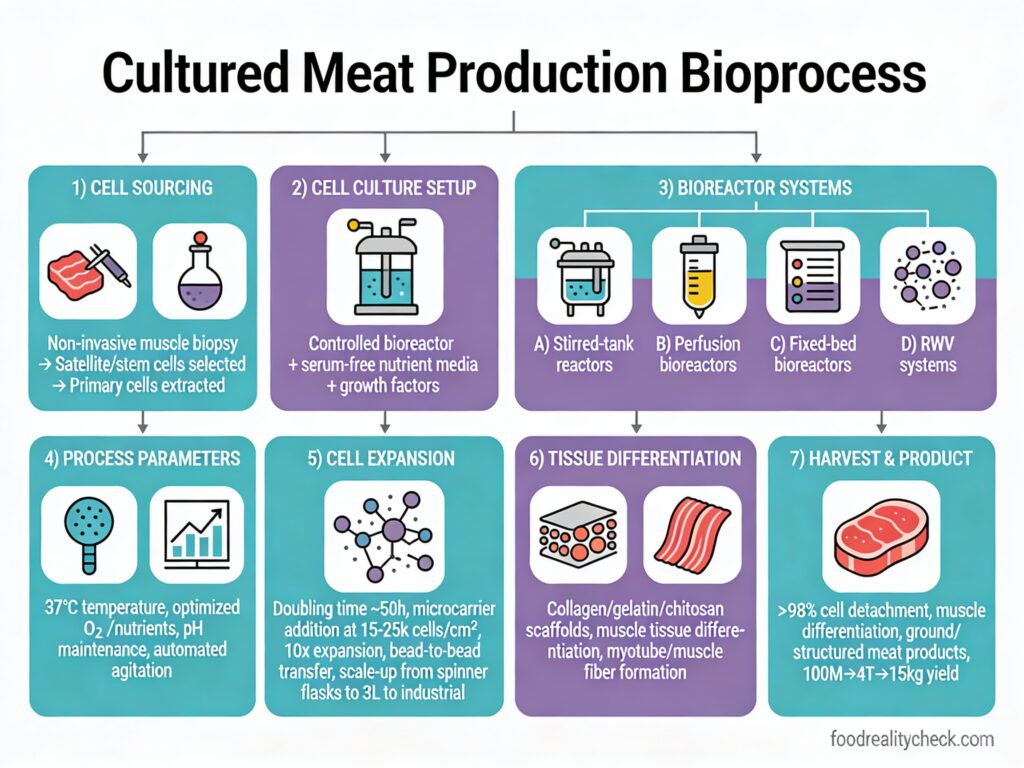
The future of protein production—cultivated in bioreactors, not on farms. The Overview Lab-grown meat, also called cultivated or cultured meat, is genuine animal tissue produced by growing animal cells in…
Read More
Posted inSweets & Baking

Sweetness Levels: How Saccharin Is 300x Sweeter Than Sugar

Sweeteners vary dramatically in potency—saccharin is approximately 300 times sweeter than sugar by weight. Understanding the sweetness intensity scale and relative potency of different sweeteners explains why tiny amounts of…
Read More
Posted inSweets & Baking

“Natural” Sweeteners Aren’t Always Better: The Marketing Reality

"Natural" sweetener marketing leverages consumer perception that natural equals healthy. However, "natural" is a regulatory term, not a health claim. Understanding marketing psychology, regulatory definitions, and scientific evidence reveals why…
Read More
Posted inE-Numbers & Additives

What is E171? – Complete guide to understanding Titanium Dioxide in your food

What is E171? Complete guide to understanding E171 (Titanium Dioxide) in your food The Quick Answer E171 is a synthetic white mineral pigment made from titanium dioxide containing nanoparticles. It's…
Read More
Posted inSweets & Baking

Can Probiotics Survive the Oven? Baking Temperature & Cultures

Most probiotic bacteria are killed at baking temperatures (160-220°C). Probiotics added to bread dough before baking do not survive as viable cultures. However, emerging strategies (post-baking addition, protected encapsulation) allow…
Read More
Posted inSweets & Baking

Fortified Flour: Added Vitamins, Minerals & Omega-3 in Bread

Flour is fortified to replace nutrients lost during grain refinement and to address public health deficiencies. Understanding what's added, why, bioavailability, and effectiveness reveals that fortification is a nutritional "rescue"…
Read More
Posted inMeat & Seafood

Antibiotics in Meat: What’s in Your Steak & Why It Matters

Antibiotics are routinely used in livestock production. Understanding why, what residues remain in meat, whether they present direct health risks, and what implications exist for antibiotic resistance helps you make…
Read More
Posted inMeat & Seafood

Listeria & Vibrio in Seafood: Contamination Risks & Prevention

Two bacterial pathogens—Listeria monocytogenes and Vibrio species—create distinct risks in seafood. Understanding their sources, at-risk populations, and prevention strategies enables safe seafood consumption. Listeria monocytogenes Overview Listeria monocytogenes is a…
Read More

Posts pagination

Previous page 1 … 17 18 19 20 21 … 47 Next page

Recent Posts

  • Fermented Salami: Ancient Technique Meets Modern Food Safety
  • What is E901? – Complete guide to understanding Beeswax – the natural glazing agent from honeybees
  • Soy Lecithin in Chocolate: Why It’s There & What It Does
  • Mono- & Diglycerides in Cake Mix: What Are They & Why?
  • How Is Maple Syrup Made? Complete Process Explained

Categories

  • E-Numbers & Additives
  • Emerging Tech
  • Food Safety & Health
  • How Food is Made
  • Meat & Seafood
  • Novel Products
  • Sweets & Baking
Resources
  • PROCESSING METHODS COMPARED: A Complete Guide to How Food Is Treated and What It Means for Your Health
  • INGREDIENT RED FLAGS CHECKLIST: A Shopper’s Guide to Avoiding Harmful Additives
  • MEAT GRADING & CERTIFICATION DECODER: The Complete Guide
  • HOW TO READ EU NUTRITION LABELS: The Complete Guide
  • ADDITIVES RISK LADDER: Your Visual Guide to Food Additive Safety Levels
  • E-Numbers Banned in the US but Legal in the EU
Hubs
  • E-Numbers & Additives Complete Guide
  • EMERGING TECH: The Complete Hub
  • FOOD SAFETY & HEALTH: The Complete Hub
  • HOW FOOD IS MADE: The Complete Hub
  • MEAT & SEAFOOD: The Complete Hub
  • NOVEL PRODUCTS: The Complete Hub
  • SWEETS & BAKING: The Complete Hub
  • Home
  • Blog
  • Disclaimer
  • Terms
  • Privacy Policy
  • Sitemap
Copyright 2026 — Food Reality Check. All rights reserved.
Scroll to Top